

| Design Research | 2014 | Screen for a Classroom |
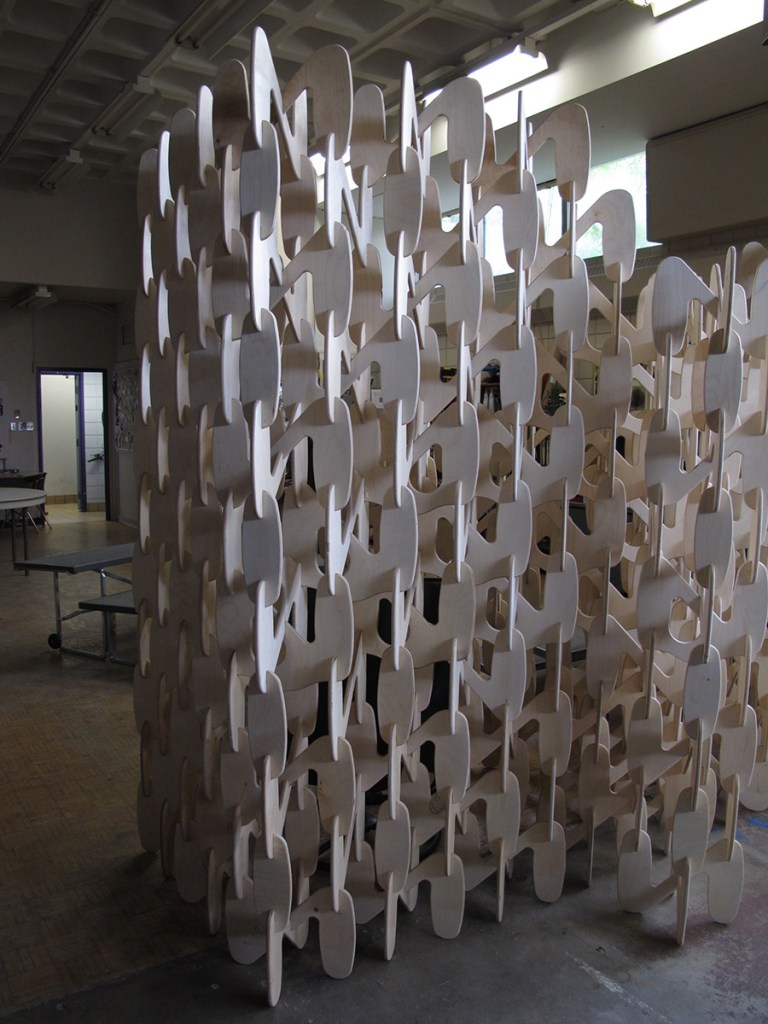
Differentiated Topographies is a research project that explores ways of constructing and reconstructing structures through aggregation using small components.
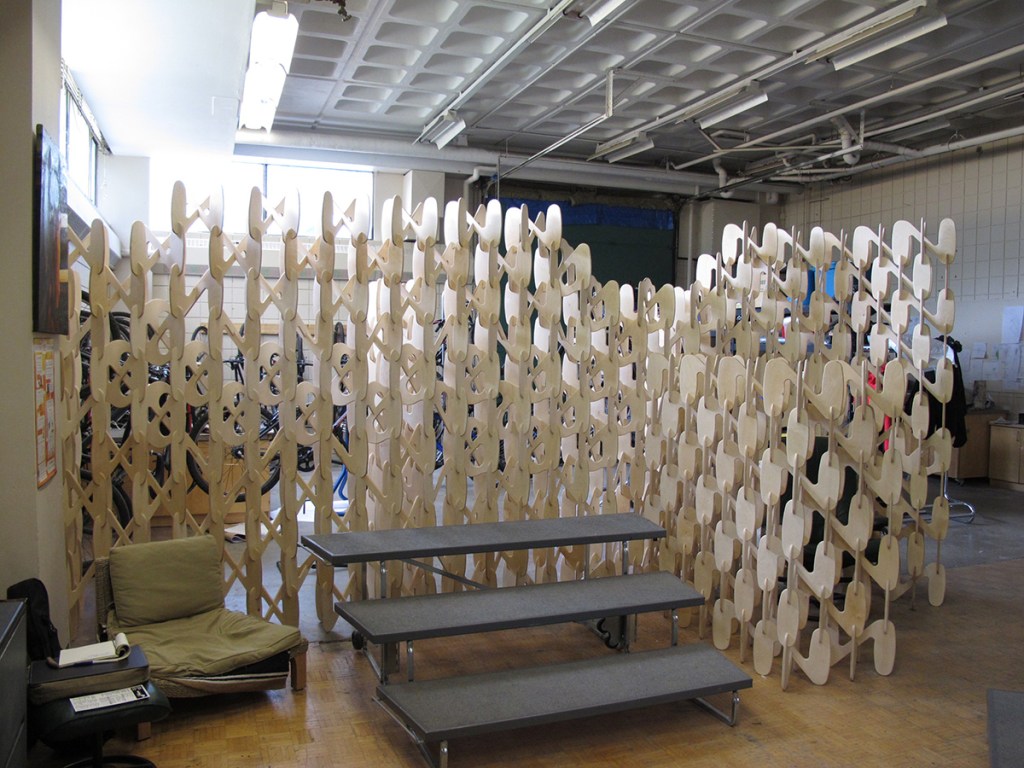
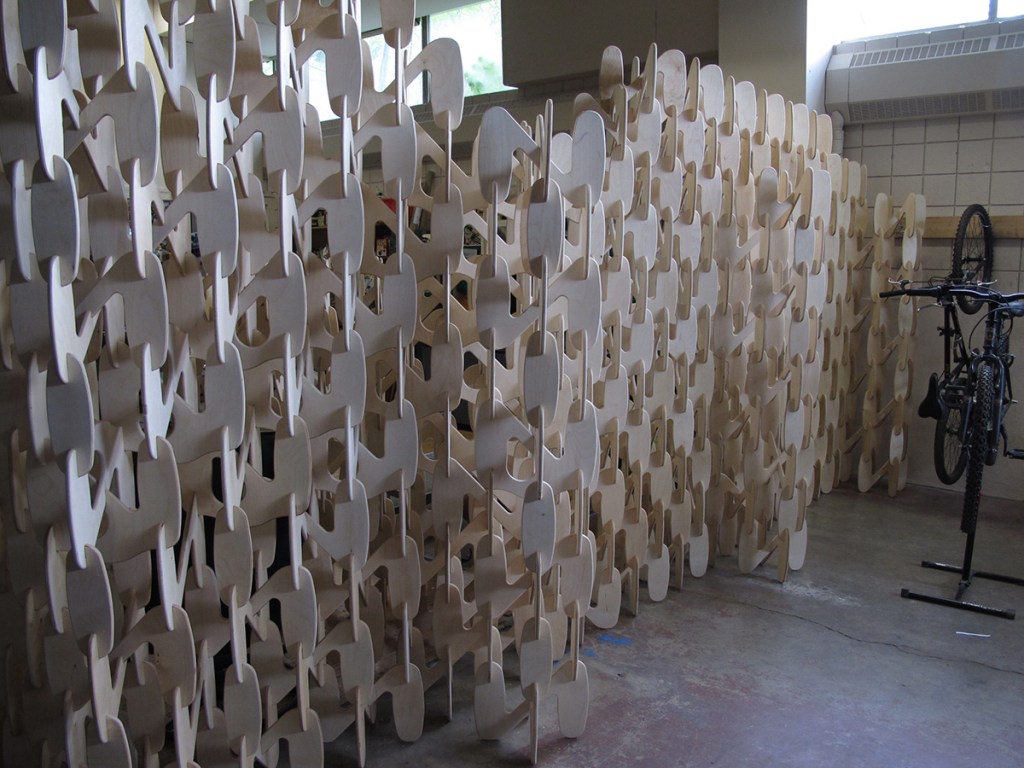
Repetitive Topography is the first one in the series, made from components that are the same size and shape. Full-scale construction is governed by constructionality and time requirements.
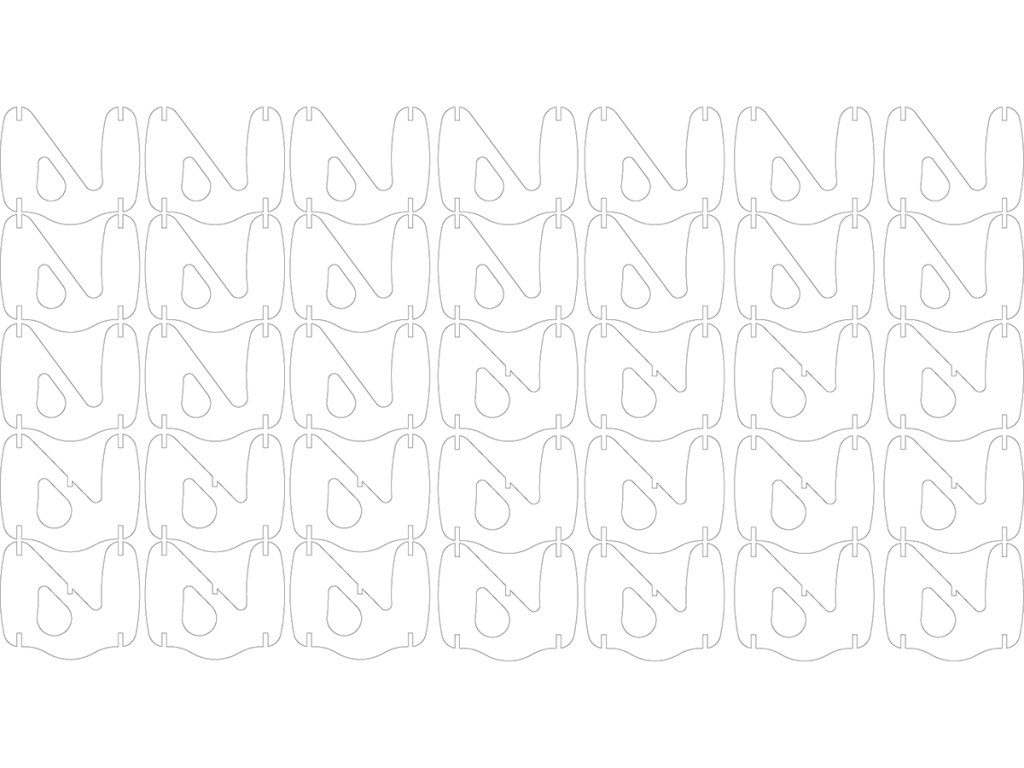
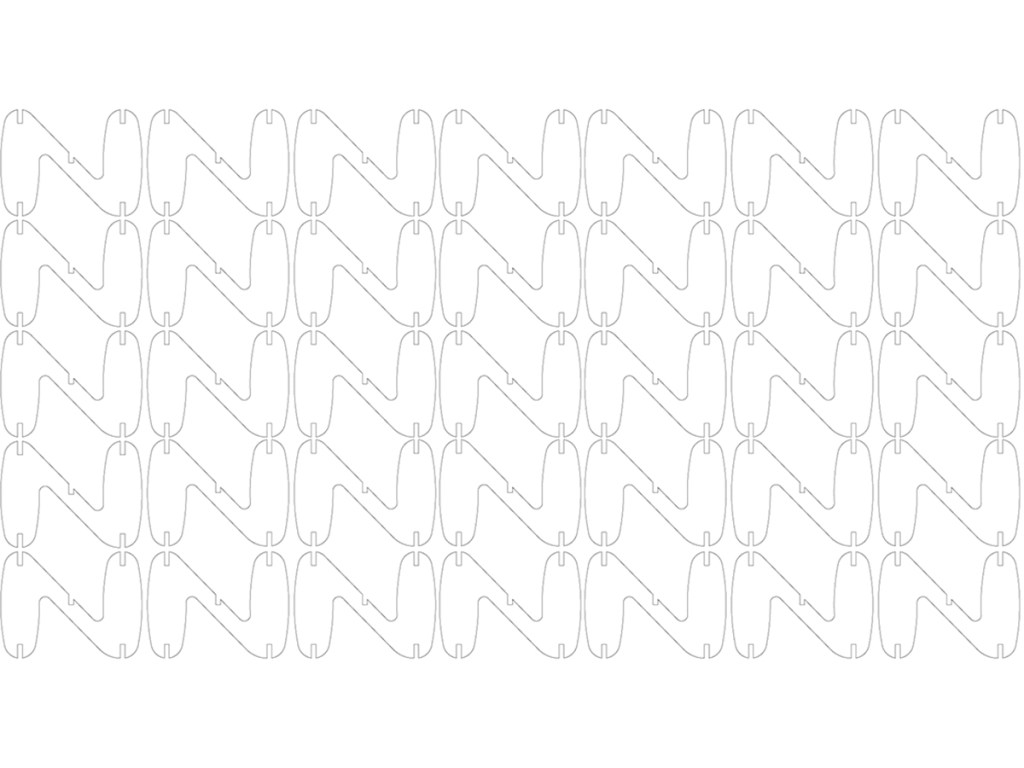
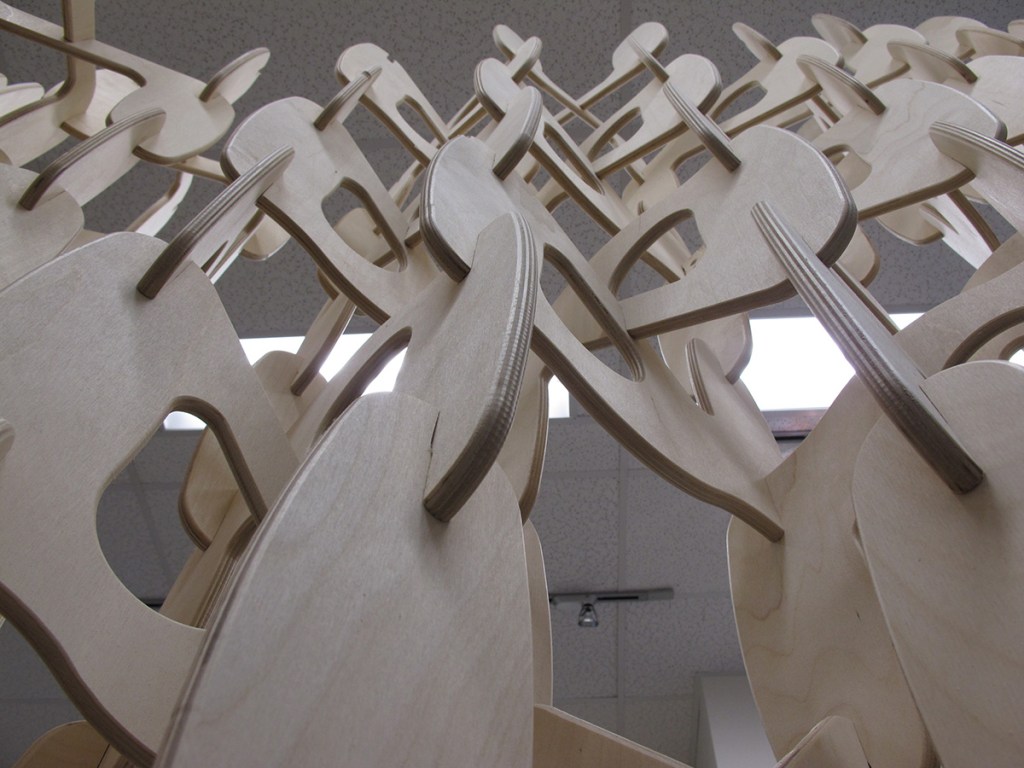
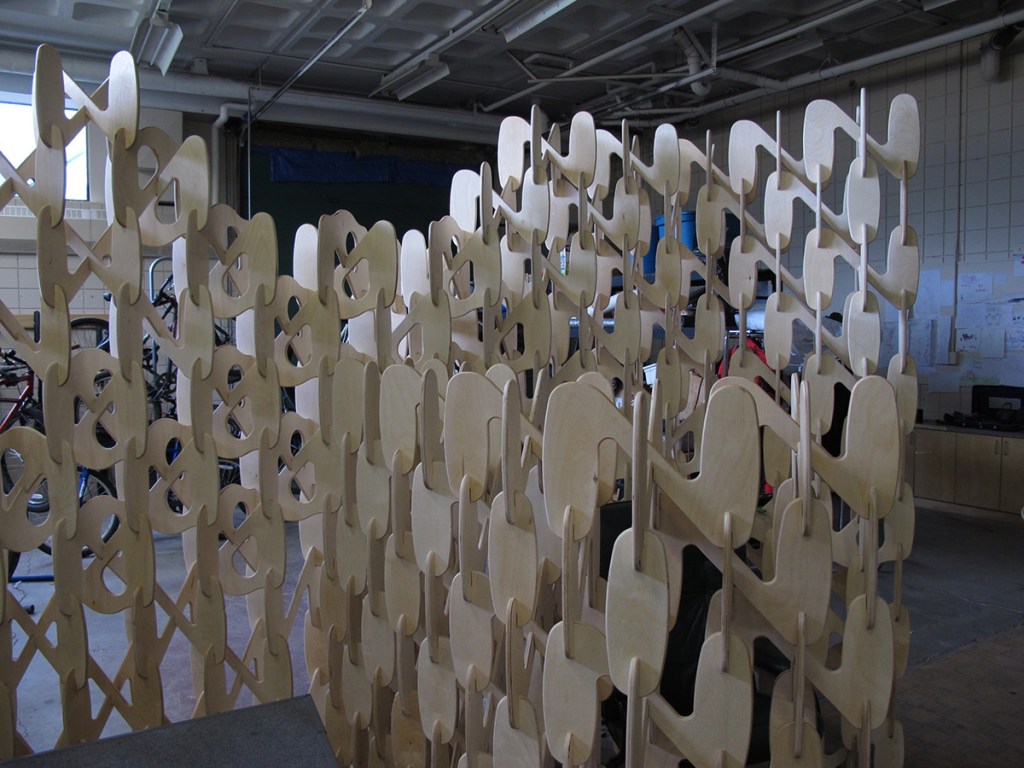
Stability is achieved in two ways: by interlocking the components through simple slot friction connections and by patter connections (forming one-module short extensions, similar to buttress structures, that run parallel to the general direction of the surface). Transparency o,f the The transparency, can vary by changing the basic shape of the component. This particular surface presented here uses two different shapes. One of them has a more enclosed, see-through effect in some areas. The structure is able to adapt to a variety of spaces and configurations due to the shape and connectivity of its components. The project is based on the concept of structures built in nature, such as bird nests or beaver dams. It exploits the notion of resilience achieved through redundancy of connections and elements. This concept of redundancy is applied in the design, fabrication, and construction of the Repetitive Topography project. The structure was installed as a classroom partition in the outdoor education classroom and built with seven G-Ade students (providing a learning experience for them). It is positioned to divide the bicycle and outdoor gear areas of the classroom from the lecture and work areas.
| Primary Investigator: Vera Parlac |

